Author: Boaters Newsletter Staff

  • Beat the Heat: Smart Summer Boating Tips Every Captain Should Know

    Beat the Heat: Smart Summer Boating Tips Every Captain Should Know

    Beat the Heat: Smart Summer Boating Tips Every Captain Should Know

    How to Keep Your Crew Comfortable, Your Boat Running Smoothly, and Your Day on the Water Safe When Summer Temperatures Soar

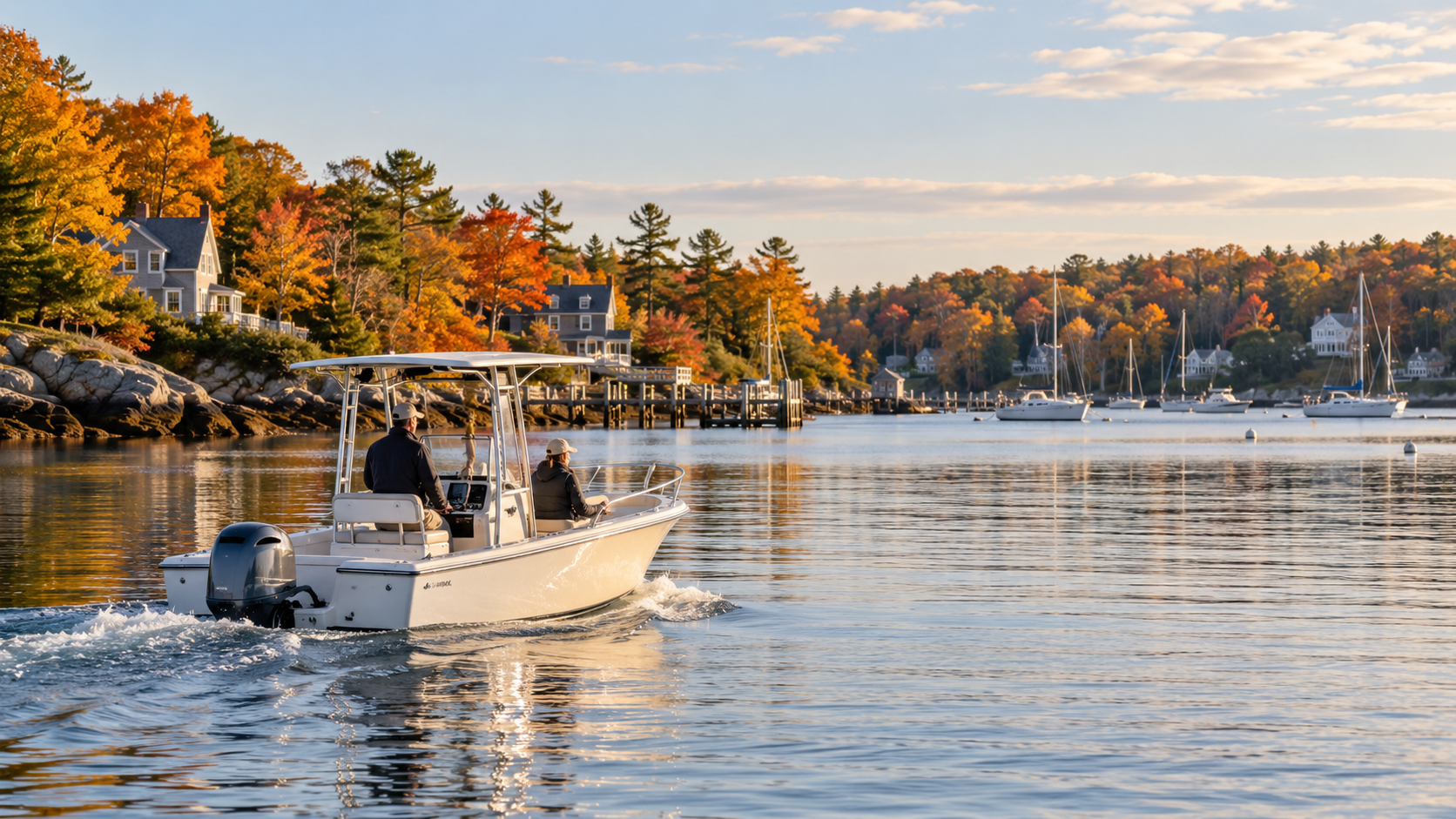
    By the middle of July, boating season is in full swing. Marinas are busy, sandbars are crowded, and families are spending every possible weekend on the water. It’s one of the best times of year to own a boat—but it’s also one of the hottest.

    High temperatures, intense sunshine, and long days on the water can take a toll on both your crew and your boat. Fortunately, a little planning goes a long way toward making your next outing safe, comfortable, and memorable for all the right reasons.

    Whether you’re heading offshore, cruising your favorite harbor, or anchoring in a quiet cove, these simple tips will help you beat the heat and enjoy every minute of summer boating.

    Start Earlier, Finish Happier

    Ask experienced captains what time they like to leave the dock in July, and many will give you the same answer: early.

    Launching before 8:00 a.m. offers several advantages:

    • Cooler temperatures
    • Calmer water
    • Less boat traffic
    • Easier docking
    • Better fishing conditions
    • More available anchorage space

    By early afternoon, temperatures can climb into the 90s, afternoon sea breezes begin to build, and popular destinations become crowded.

    Sometimes the best part of the day is being back at the dock before everyone else is just getting started.

    The Sun Is Stronger Than You Think

    Most people underestimate how much sun they’re exposed to while boating.

    Unlike spending a day in your backyard, sunlight reflects off the water, increasing your exposure from below as well as above. Even on partly cloudy days, harmful UV rays can quickly lead to painful sunburn.

    Before leaving the dock, make sure everyone has:

    • Broad-spectrum sunscreen (SPF 30 or higher)
    • Polarized sunglasses
    • A wide-brimmed hat or cap
    • UV-protective clothing
    • Lightweight long-sleeve shirts
    • Lip balm with SPF

    Don’t forget to reapply sunscreen every two hours—and even more often after swimming.

    Stay Hydrated Before You Feel Thirsty

    One of the biggest mistakes boaters make is waiting until they’re thirsty to drink water.

    By that point, dehydration has already begun.

    The combination of heat, sun, wind, and physical activity causes your body to lose fluids much faster than you realize.

    A few simple habits can make a big difference:

    • Bring more water than you think you’ll need.
    • Keep reusable bottles within easy reach.
    • Alternate sports drinks with water if you’re sweating heavily.
    • Limit alcohol, especially during the hottest part of the day.
    • Encourage children to drink regularly, even if they say they’re not thirsty.

    Hydration isn’t just about comfort—it helps prevent fatigue, headaches, dizziness, and poor decision-making.

    Your Boat Feels the Heat Too

    People aren’t the only ones affected by summer temperatures.

    Boats work harder in hot weather, and a few extra minutes of inspection before leaving the dock can help prevent problems later.

    Pay close attention to:

    • Engine temperature gauges
    • Cooling water discharge (“tell-tale”)
    • Battery condition
    • Belt tension
    • Bilge ventilation
    • Fuel system connections

    Inside the cockpit, electronics and multifunction displays can also become extremely hot when exposed to direct sunlight.

    Whenever possible, provide shade for electronics while anchored and allow them to cool naturally if they become excessively warm.

    Keep Kids Comfortable

    Children often become overheated long before they recognize what’s happening.

    They’ll continue swimming, fishing, and playing until they’re suddenly exhausted.

    Plan frequent breaks throughout the day.

    Good ideas include:

    • Swim stops every hour or two
    • Plenty of fresh fruit
    • Frozen treats
    • Cooling towels
    • Time in the shade
    • Lightweight clothing

    Watch for warning signs such as flushed faces, unusual fatigue, irritability, or complaints of headaches.

    Don’t Forget Your Four-Legged Crew Members

    Dogs love boating—but they can overheat quickly.

    Unlike people, dogs cool themselves primarily through panting, making hot, humid days especially difficult.

    Help keep them comfortable by providing:

    • Plenty of fresh drinking water
    • Shade throughout the day
    • A non-slip place to rest
    • Frequent swim breaks (where safe)
    • A properly fitted canine life jacket

    One thing many owners overlook is the temperature of the deck itself. Fiberglass can become surprisingly hot in direct sunlight, potentially burning sensitive paw pads.

    If the deck feels too hot for your bare feet, it’s probably too hot for your dog as well.

    Keep Your Food Safe

    Nothing ends a boating trip faster than food poisoning.

    Coolers spend hours sitting in direct sunlight, and every time they’re opened, cold air escapes.

    To keep food fresh longer:

    • Pack the cooler the night before.
    • Use block ice whenever possible.
    • Separate drinks from food to reduce opening the main cooler.
    • Keep raw meat and seafood sealed.
    • Store the cooler in the shade whenever possible.

    A little organization helps your ice last longer and your lunch stay safe.

    Afternoon Thunderstorms Can Build Quickly

    Summer weather can change in a matter of minutes.

    One moment you’re enjoying calm water and blue skies. The next, dark clouds are building on the western horizon.

    Before leaving the dock:

    • Check the marine forecast.
    • Watch weather radar throughout the day.
    • Pay attention to wind shifts.
    • Listen for distant thunder.

    Remember:

    If you can hear thunder, you’re close enough to be struck by lightning.

    Don’t wait for rain to begin before heading toward safe harbor.

    Choose Your Anchorage Carefully

    By mid-summer, many favorite anchorages become crowded.

    Take a few extra minutes to find a location that offers:

    • Natural shade when possible
    • Good holding ground
    • Adequate swing room
    • Protection from afternoon winds
    • Safe swimming conditions

    A little extra distance from the crowd often leads to a much more relaxing afternoon.

    Know the Signs of Heat Exhaustion

    Heat-related illness can affect anyone on board.

    Common warning signs include:

    • Heavy sweating
    • Dizziness
    • Headache
    • Muscle cramps
    • Nausea
    • Weakness
    • Confusion

    If someone begins showing these symptoms:

    • Move them into the shade immediately.
    • Encourage them to drink cool water.
    • Apply cool, wet towels.
    • Reduce physical activity.

    If symptoms worsen or don’t improve quickly, seek medical assistance without delay.

    Sometimes the Smartest Decision Is Heading Home

    One of the best qualities of an experienced captain is knowing when to call it a day.

    If your crew is tired, the weather is changing, or temperatures have become uncomfortable, don’t feel obligated to stay out longer.

    The goal isn’t to squeeze every possible minute out of the day.

    The goal is for everyone to return to the dock smiling—and eager to do it all again next weekend.

    Final Thoughts

    Summer is what boating is all about. Long days, warm water, family adventures, fishing trips, and evenings spent watching the sunset from the cockpit create memories that last a lifetime.

    A little preparation before leaving the dock can make those memories even better.

    Pack plenty of water, protect yourself from the sun, keep an eye on the weather, and remember that the best captains aren’t the ones who take the biggest risks—they’re the ones who make smart decisions that keep everyone safe.

    Here’s to calm seas, sunny skies, and a summer filled with unforgettable days on the water.

    The Boaters Newsletter Team

  • Never Buy a Used Boat Without This

    Never Buy a Used Boat Without This

    Never Buy a Used Boat Without This

    The smartest boat buyers don’t rely on luck. They rely on a proven inspection process.

    There’s a moment almost every boat buyer knows well.

    You’ve finally found the one.

    The photos look great. The gelcoat shines. The upholstery is clean. The seller says the boat has been “meticulously maintained.”

    The engine starts right up.

    You can already picture weekends on the water, fishing trips, cruising with family and friends, and all the reasons you wanted a boat in the first place.

    Then comes the question every buyer should ask:

    What am I missing?

    Unfortunately, that’s often the question boat buyers ask after they’ve signed the paperwork.

    The Most Expensive Boat Problems Aren’t Always Visible

    Buying a used boat can be one of the smartest ways to get on the water. But overlooking a serious problem can quickly turn a great deal into an expensive mistake.

    A boat can look beautiful while hiding issues such as:

    • Water intrusion in the transom or stringers
    • Engine compression problems
    • Corrosion in critical systems
    • Electrical faults
    • Worn steering or control systems
    • Damaged propellers or lower units
    • Soft decks hidden beneath otherwise clean fiberglass
    • Trailer bearing, tire, brake, or structural problems

    Many of these issues aren’t obvious during a quick walk around the boat.

    Some may cost hundreds of dollars to repair.

    Others can cost thousands—or even tens of thousands.

    Excitement Can Be a Boat Buyer’s Biggest Enemy

    When you’ve been searching for weeks or months, it’s easy to let excitement take over.

    You tell yourself:

    • “This is the one.”
    • “I don’t want someone else to buy it first.”
    • “Everything looks fine.”

    That’s exactly when buyers begin skipping steps.

    They forget to inspect a compartment.

    They don’t ask about maintenance records.

    They overlook corrosion.

    They forget to check electronics.

    They take a short sea trial and focus more on how the boat feels than how the boat is actually performing.

    A forgotten inspection item today can become an expensive repair bill tomorrow.

    Looking at a Boat Is Not the Same as Inspecting One

    Most buyers know they should “look the boat over.”

    The problem is that simply walking around a boat isn’t an inspection.

    A proper inspection follows a process.

    Every major area of the boat should be evaluated, including:

    • Hull and deck
    • Exterior condition
    • Engine and propulsion
    • Steering and controls
    • Electrical systems
    • Electronics and navigation equipment
    • Plumbing and onboard systems
    • Safety equipment
    • Trailer, if included
    • Sea trial performance
    • Documentation and ownership records

    The goal isn’t to become a marine mechanic overnight.

    The goal is to stop relying on memory and start following a consistent process.

    Why Professional Marine Surveys Still Matter

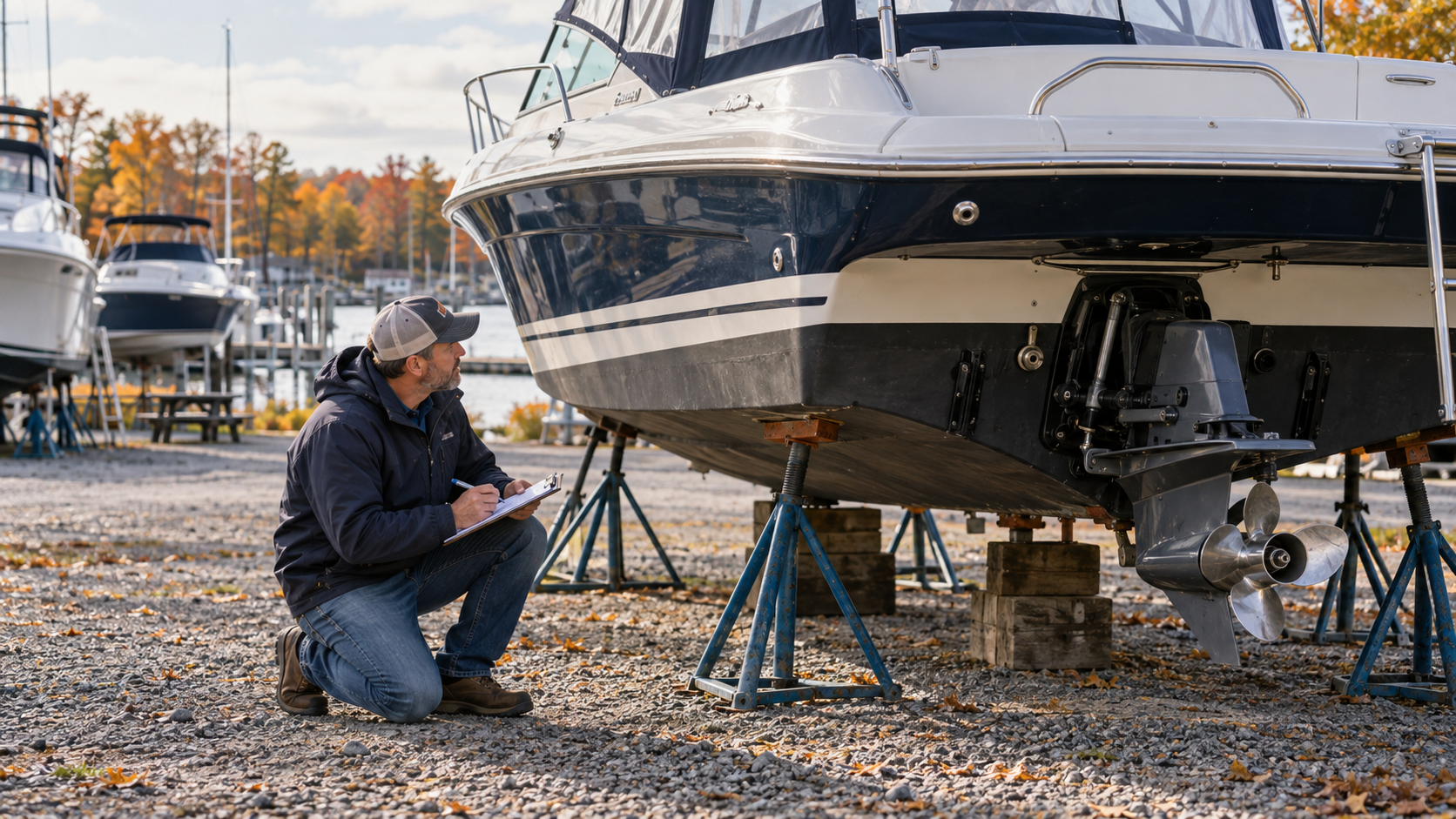
    A qualified marine survey can be one of the smartest investments you make when purchasing a boat, especially when considering a larger or higher-value vessel.

    But a survey shouldn’t necessarily be the first step in your buying process.

    Before paying for a survey, you should already have a good idea whether the boat is worth pursuing.

    A systematic personal inspection can help you:

    • Eliminate poor candidates early
    • Compare multiple boats more objectively
    • Identify obvious concerns
    • Ask better questions
    • Decide whether the boat is worth the cost of a professional survey
    • Walk into negotiations better prepared

    A marine surveyor brings professional expertise.

    A smart boat buyer brings preparation.

    The two work together.

    Your Memory Is Not an Inspection Tool

    Here’s another problem most buyers don’t consider.

    After looking at two or three boats, the details begin to blur together.

    • Which boat had the newer electronics?
    • Which engine showed signs of corrosion?
    • Which trailer needed tires?
    • Which seller mentioned replacing the fuel tank?
    • Which boat had the soft spot near the transom?

    You may think you’ll remember.

    You probably won’t.

    That’s why documenting an inspection is so important.

    Written notes help you:

    • Compare boats objectively
    • Track unanswered questions
    • Identify potential repair costs
    • Support price negotiations with specific findings
    • Review concerns with a mechanic or surveyor
    • Make a more confident final decision

    Buying a boat is a major purchase.

    Your decision shouldn’t depend on remembering what you noticed while standing in a marina parking lot three days earlier.

    A Better Way to Inspect Your Next Boat

    That’s exactly why we created the Boat Buyer’s Inspection & Sea Trial Guide.

    The guide was designed to give boat buyers a structured inspection process they can follow from the first walk-around through the sea trial and final purchase decision.

    Instead of trying to remember dozens of inspection points, you can work through the boat systematically and document what you find.

    The guide includes space to evaluate and record:

    • Boat specifications and identification
    • Hull and exterior condition
    • Deck and structural observations
    • Engine and propulsion systems
    • Electrical systems
    • Electronics and navigation equipment
    • Safety equipment
    • Trailer condition
    • Seller questions
    • Sea trial observations
    • Performance and handling
    • Repair concerns
    • Negotiation notes
    • Overall purchase evaluation

    The purpose is simple:

    Help you slow down, inspect more carefully, and make a better-informed decision before you buy.

    A Small Step Before a Very Big Purchase

    Boats aren’t inexpensive.

    Even a relatively modest used boat can represent tens of thousands of dollars.

    Yet buyers routinely spend more time researching a new television, truck accessory, or fishing reel than they spend systematically inspecting the boat they’re about to purchase.

    A well-organized inspection process won’t guarantee that every boat is perfect.

    But it can help reduce the chances of overlooking an obvious problem, forgetting an important question, or making a major purchase based entirely on excitement.

    Whether you’re buying your first boat or your fifth, preparation matters.

    Because the smartest boat buyers don’t rely on luck.

    They rely on a process.

    Ready to Inspect Your Next Boat Like a Pro?

    The Boat Buyer’s Inspection & Sea Trial Guide walks you through every major system, helps you document your findings, compare boats objectively, and make a more confident buying decision.

    Available now on Amazon.

    About the Captain’s Series™

    The Boat Buyer’s Inspection & Sea Trial Guide is Volume 1 of the Captain’s Series™ from Boaters Newsletter—a growing collection of practical guides, workbooks, and logbooks designed to help boaters make smarter decisions, protect their investment, and enjoy more time on the water.

  • The 10 Things Experienced Boaters Always Do Before Leaving the Dock

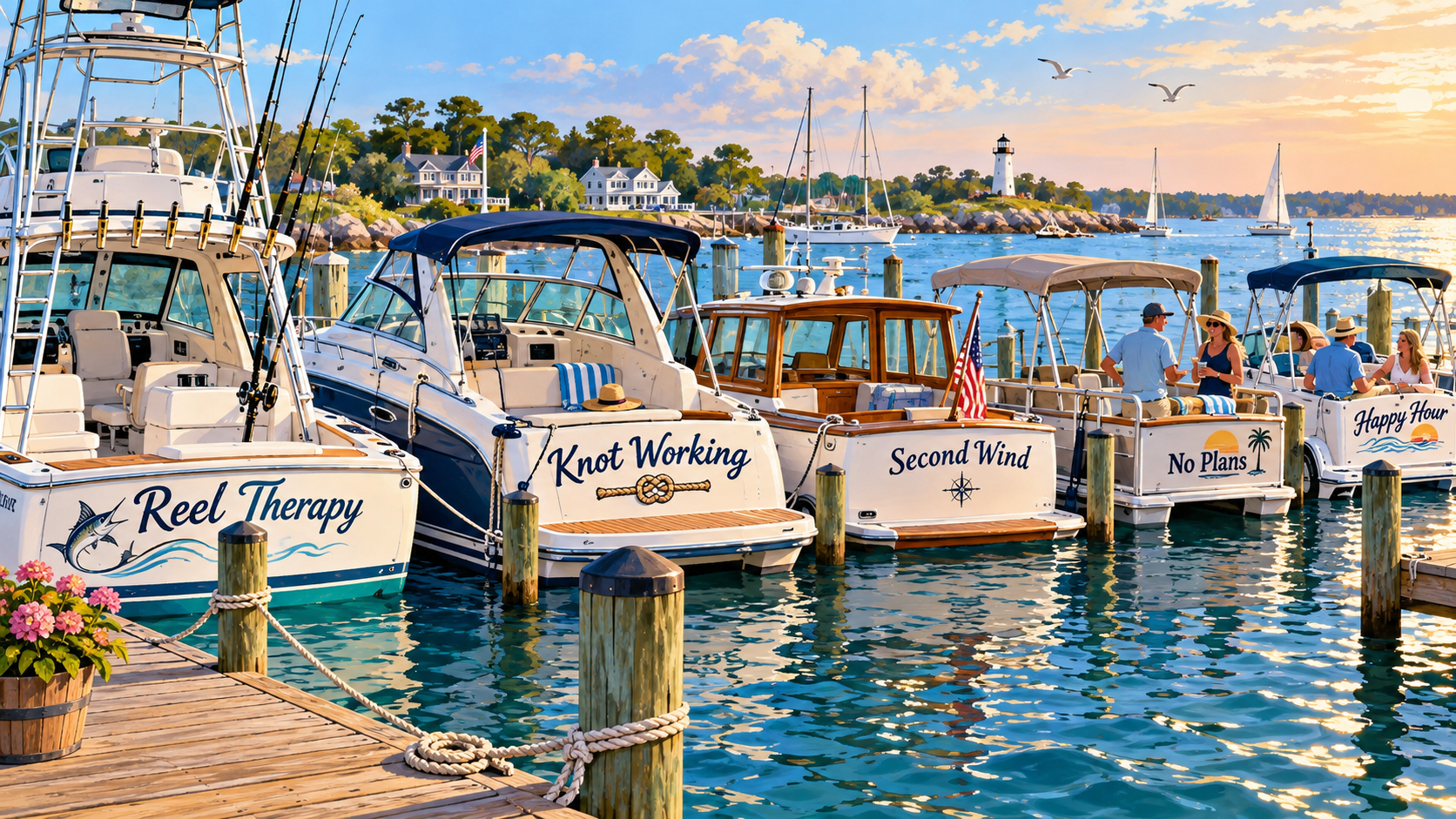
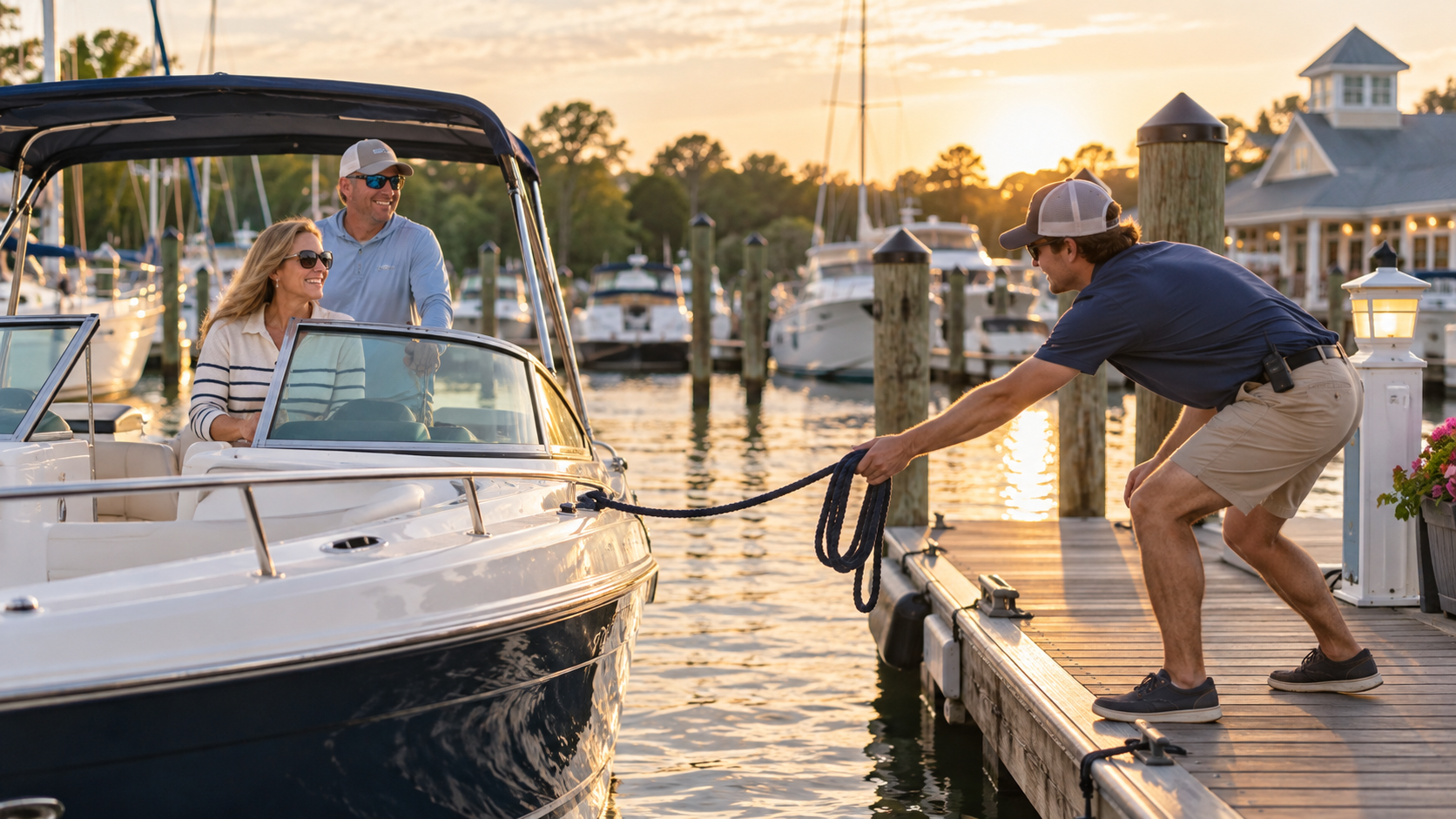
    Golden hour at the marina with boats docked in warm evening light

    Everyone loves the moment when the lines come off the cleats, the engines rumble to life, and another day on the water begins. But ask any experienced captain what separates an enjoyable day from a stressful one, and you’ll hear the same answer: preparation.

    The best boaters don’t rely on luck. They follow a routine.

    Whether you’re heading offshore to chase tuna, cruising to your favorite waterfront restaurant, or simply taking the family for an afternoon ride, these ten habits can make every trip safer and more enjoyable.

    1. Check the Weather—Again

    Marine weather changes quickly, especially during the summer. A forecast you checked the night before may look very different the next morning.

    Don’t just check for rain. Look at:

    • Wind speed and direction
    • Wave height
    • Tide changes
    • Thunderstorm potential
    • Visibility

    Remember, the forecast is a guide—not a guarantee.

    2. Perform a Walk-Around Inspection

    Before anyone steps aboard, take a slow walk around your boat.

    Look for:

    • Loose dock lines
    • Low tires on the trailer
    • Fuel or oil leaks
    • Damaged props
    • Loose batteries
    • Water in the bilge

    It only takes a few minutes and could save an entire weekend.

    3. Check Your Fuel

    The old boating rule still applies:

    One-third out. One-third back. One-third in reserve.

    Running out of fuel remains one of the leading reasons boaters request assistance every summer.

    4. Test Your Safety Equipment

    Ask yourself:

    • Are the life jackets still onboard?
    • Is the fire extinguisher charged?
    • Does the horn work?
    • Are flares expired?
    • Is the VHF radio functioning?

    These aren’t things you want to discover after an emergency begins.

    5. Tell Someone Where You’re Going

    Even if you’re only planning a short afternoon cruise, let someone know.

    Share:

    • Destination
    • Departure time
    • Expected return
    • Number of people onboard

    It’s one of the simplest—and smartest—things you can do.

    6. Confirm the Drain Plug

    It sounds funny until it happens.

    Every year, boats are launched without the drain plug installed.

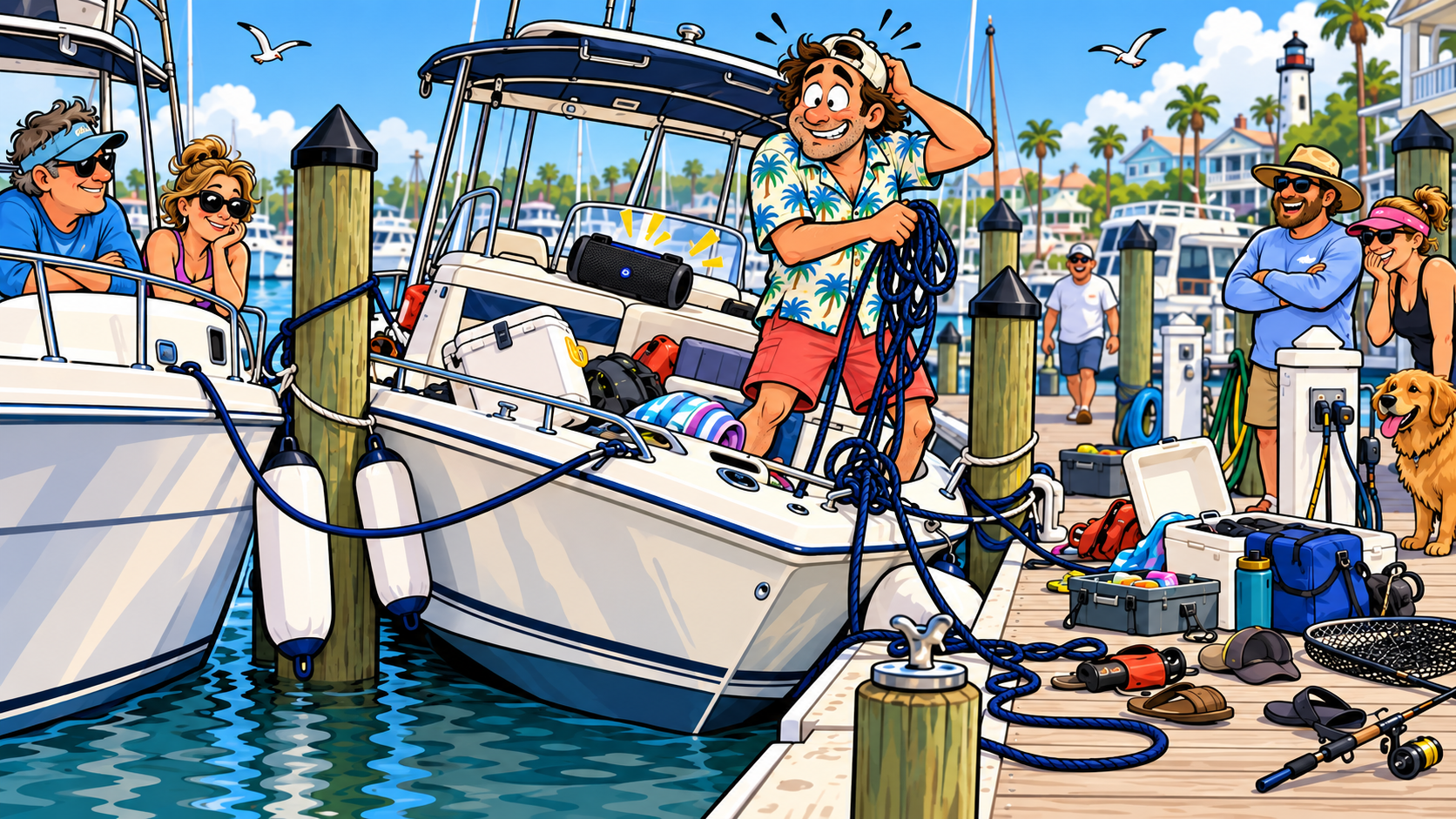
    A quick glance before launch can prevent an embarrassing—and potentially costly—mistake.

    7. Brief Your Crew

    If you’re bringing family or friends, spend two minutes explaining:

    • Where the life jackets are stored
    • How to use the radio
    • What to do if someone falls overboard
    • Where the fire extinguisher is located

    Prepared passengers become helpful crew members.

    8. Secure Loose Gear

    Coolers, tackle boxes, fishing rods, and bags have a way of sliding across the deck when the water gets rough.

    Secure everything before leaving the dock.

    It keeps your gear safe—and prevents injuries.

    9. Start Slowly

    The first few minutes underway are the perfect time to check that everything is working properly.

    Watch your gauges.

    Listen for unusual sounds.

    Confirm water is flowing from the cooling system.

    It’s much easier to return to the dock now than after you’ve traveled ten miles offshore.

    10. Slow Down and Enjoy It

    Boating isn’t about getting somewhere quickly.

    It’s about spending time with family.

    Watching a sunset.

    Teaching your kids to fish.

    Finding that quiet anchorage.

    Making memories.

    Sometimes the best part of the day is the journey itself.

    Final Thoughts

    Experienced boaters know that good habits become second nature.

    By taking just a few extra minutes before leaving the dock, you’ll reduce the chances of mechanical problems, improve safety for everyone onboard, and spend more time enjoying what matters most—being out on the water.

    Have your own pre-departure ritual? We’d love to hear it. Share your favorite tip with the Boaters Newsletter community.

    The Boaters Newsletter Team

  • New Boat or Used Boat? How to Make the Right Choice Before You Buy

    New Boat or Used Boat? How to Make the Right Choice Before You Buy

    Buying a boat is exciting, but deciding whether to buy new or used can shape your ownership experience for years. The right choice depends on your budget, how you plan to use the boat, your comfort level with maintenance, and how much risk you are willing to take on before closing the deal.

    For some buyers, a brand-new boat offers peace of mind, warranty protection, and the chance to get exactly the layout and features they want. For others, a well-kept used boat can deliver more value, lower upfront cost, and less depreciation. Before you buy, it helps to compare both options honestly and understand where each one makes the most sense.

    Start With Your Budget

    Your budget should guide the decision before emotion takes over. A new boat usually comes with a higher purchase price, higher insurance costs, and in many cases higher taxes and registration fees. You may also be tempted to add electronics, accessories, or upgraded power that push the final number even higher.

    A used boat can often get you into a larger model or a better-equipped package for the same money. In many cases, the previous owner has already added practical upgrades like GPS units, canvas, safety gear, or a trailer. That can make a used boat feel like a better value on day one.

    At the same time, lower purchase price does not always mean lower total cost. An older boat may need repairs, deferred maintenance, or replacement parts soon after purchase. Buyers should compare not just the sticker price, but the realistic first-year cost of ownership.

    Consider Reliability and Warranty

    One of the biggest advantages of buying new is predictability. A new boat has no mystery history, no hidden owner shortcuts, and often includes factory warranty coverage on the hull, engine, and major systems. That can reduce stress, especially for first-time buyers who want a smoother ownership experience.

    Used boats can still be excellent purchases, but reliability depends heavily on how the boat was stored, maintained, and operated. A clean appearance is not enough. Service records, engine hours, corrosion, wiring quality, trailer condition, and signs of water intrusion all matter. A used boat may save money upfront, but only if it passes inspection and sea trial with confidence.

    Think About Depreciation

    New boats generally take the biggest depreciation hit in the early years, just like new vehicles. If resale value is important to you, that first drop can be a major factor. Buyers who trade often or plan to upgrade in a few seasons should pay close attention to how quickly a new model may lose value.

    Used boats have already gone through much of that early depreciation. If you buy carefully, maintain the boat well, and avoid overpaying, you may preserve more of your investment. That is one reason many experienced boaters prefer buying used, especially when they know what to look for.

    Match the Boat to Your Experience Level

    If this is your first boat, a used model may feel like a safer learning platform. You may discover that your boating habits change after the first season, and a lower-cost used boat can give you flexibility without the pressure of protecting a brand-new purchase.

    On the other hand, some first-time buyers prefer new because it reduces the chance of surprise repairs and gives them dealer support during the learning curve. If you are not comfortable evaluating condition, systems, or engine health, a new boat may offer more confidence.

    Experienced buyers often have an easier time shopping used because they know how to spot red flags, estimate repair costs, and judge whether a boat has been cared for properly. The more knowledge you bring to the process, the more attractive the used market becomes.

    Look at Availability and Customization

    A new boat gives you the chance to choose colors, layouts, electronics, seating options, and power packages that fit your needs. If you have a specific setup in mind, buying new may be the best path.

    Used inventory is more limited. You may need to compromise on engine brand, seating layout, storage, or electronics. But if you find a well-maintained used boat that already matches most of your needs, you can often avoid long lead times and get on the water faster.

    What to Do Before Buying a Boat Workbook cover
    Before making an offer, download the Boat Buyer’s Inspection & Sea Trial Guide and use the same evaluation worksheets professional buyers rely on.

    Do Not Skip the Inspection

    No matter which direction you lean, due diligence matters. For a used boat, a professional marine survey and a proper sea trial are essential. They help uncover structural issues, engine concerns, electrical problems, and performance issues that may not be visible at the dock.

    Even with a new boat, buyers should inspect the fit and finish, test systems, confirm included equipment, and review warranty details before taking delivery. Small issues are easier to address before the sale is complete than after the boat is in your driveway or slip.

    How to Decide

    A new boat may be the better choice if you want warranty protection, predictable ownership, current features, and the ability to customize. A used boat may be the smarter choice if you want more value for your money, lower depreciation, and are willing to inspect carefully before buying.

    The best decision is the one that fits your budget, experience, and boating goals. Do not rush the process. Compare the real costs, inspect the boat thoroughly, and make sure the purchase works for how you actually plan to use it.

    Final Takeaway

    There is no universal right answer in the new-versus-used debate. A great new boat can still be the wrong financial fit, and a great used boat can become expensive if you skip the inspection. Smart buyers focus less on emotion and more on condition, ownership costs, and long-term fit.

    If you take the time to evaluate both options carefully, you will be in a much better position to buy with confidence and avoid expensive surprises later.

    Boat Buyer’s Inspection & Sea Trial Guide

    Before you commit to any boat, make sure you know what to inspect, what to test, and what questions to ask on the water.

    • Walk through the most important pre-purchase inspection points
    • Know what to watch for during a sea trial
    • Spot red flags before they turn into expensive repairs
    • Buy with more confidence whether the boat is new or used

    Get the Boat Buyer’s Inspection & Sea Trial Guide

  • Caymas 29 CT Review

    The Caymas 29 CT is built for boaters who want a center console with serious offshore intent, a clean fishing layout, and enough comfort to support full-day use beyond the bite. In a size range that asks a lot from any hull, the 29 CT aims to deliver a practical balance of fishability, performance, and refinement.

    Caymas 29 CT review photo

    Caymas has earned attention for building boats that speak directly to anglers, and the 29 CT reflects that approach. The overall impression is of a boat designed to work hard on the water while still presenting the finish and comfort expected from a premium modern center console.

    First Impressions

    At first glance, the 29 CT looks purposeful. The profile is clean, the deck space feels usable, and the layout suggests a boat meant to move efficiently between offshore runs, active fishing, and casual coastal cruising. Nothing about it feels overly decorative or disconnected from how owners are likely to use it.

    That sense of purpose matters. Buyers in this category are often looking for a boat that feels capable and well thought out from the start, and the Caymas 29 CT gives that impression with a straightforward, fishing-first personality.

    Deck Layout and Fishability

    For many buyers, the real value of a center console shows up in the layout. The Caymas 29 CT appears designed to make the most of its footprint, with open working space, practical movement around the boat, and the kind of setup that supports both serious fishing and general day use.

    • open cockpit space for active fishing
    • storage areas for tackle, gear, and day-trip essentials
    • a helm layout built to support modern electronics
    • seating that adds comfort without overwhelming the deck plan
    • a bow area that helps the boat stay useful for family and guest outings

    This kind of versatility is one of the boat’s strongest selling points. Owners are not always buying a single-purpose platform, and the 29 CT seems intended to handle multiple roles without losing its core identity as a capable fishing boat.

    Offshore Confidence

    A boat in this class needs to inspire confidence when conditions are less than ideal. While any serious buyer should sea-trial before making a decision, the Caymas 29 CT appears positioned for owners who care about ride quality, stability, visibility, and the overall sense of control that matters on longer runs.

    That offshore-minded character is central to the boat’s appeal. The 29 CT does not read like a boat trying to be everything to everyone. Instead, it feels aimed at boaters who want a capable platform with enough polish to stay comfortable over a full day on the water.

    Helm and Comfort

    The helm is one of the most important areas on any center console, especially for owners planning longer coastal or offshore runs. The Caymas 29 CT offers the kind of arrangement buyers expect in a premium boat: room for electronics, strong sightlines, and seating that supports extended time underway.

    Comfort also plays a bigger role than many buyers admit at first. A boat that fishes well but feels tiring after a few hours can lose its appeal quickly. The 29 CT appears to recognize that by blending utility with a more refined onboard experience.

    What Stands Out

    What makes the Caymas 29 CT interesting is not one single feature, but the overall package. It presents itself as a boat for owners who want a serious layout, a premium feel, and a platform that looks ready for real use rather than just showroom appeal.

    That combination should resonate with anglers upgrading from a smaller center console, as well as buyers who want a manageable offshore-capable boat without stepping into a much larger size class. The 29 CT feels targeted, confident, and easy to understand in terms of mission.

    Who This Boat Fits

    • anglers who want a capable offshore center console
    • buyers moving up from a smaller fishing boat
    • owners who want premium finish with practical deck space
    • families who still want comfort in a fishing-first layout

    Final Take

    The Caymas 29 CT comes across as a strong option for boaters who want a premium center console with clear offshore purpose. Its appeal is rooted in balance: fishability, usable space, comfort, and a design that feels focused on how the boat will actually be used.

    For buyers looking at this size and style of boat, the 29 CT deserves attention on its own merits. A proper sea trial and close look at layout details will always matter, but the overall impression is of a capable, well-positioned boat with a lot to offer the right owner.

    Caymas 29 CT detail photo
    Caymas 29 CT detail photo