Cooler weather, quieter harbors and less crowded ramps make September and October some of the best weeks to be on the water—if you adjust the way you boat.
For a lot of boaters, Labor Day feels like the unofficial end of the season.
The kids are back in school, summer schedules change, and the first conversations about haul-out and winter storage begin.
But putting the boat away too early can mean missing some of the best boating of the year.
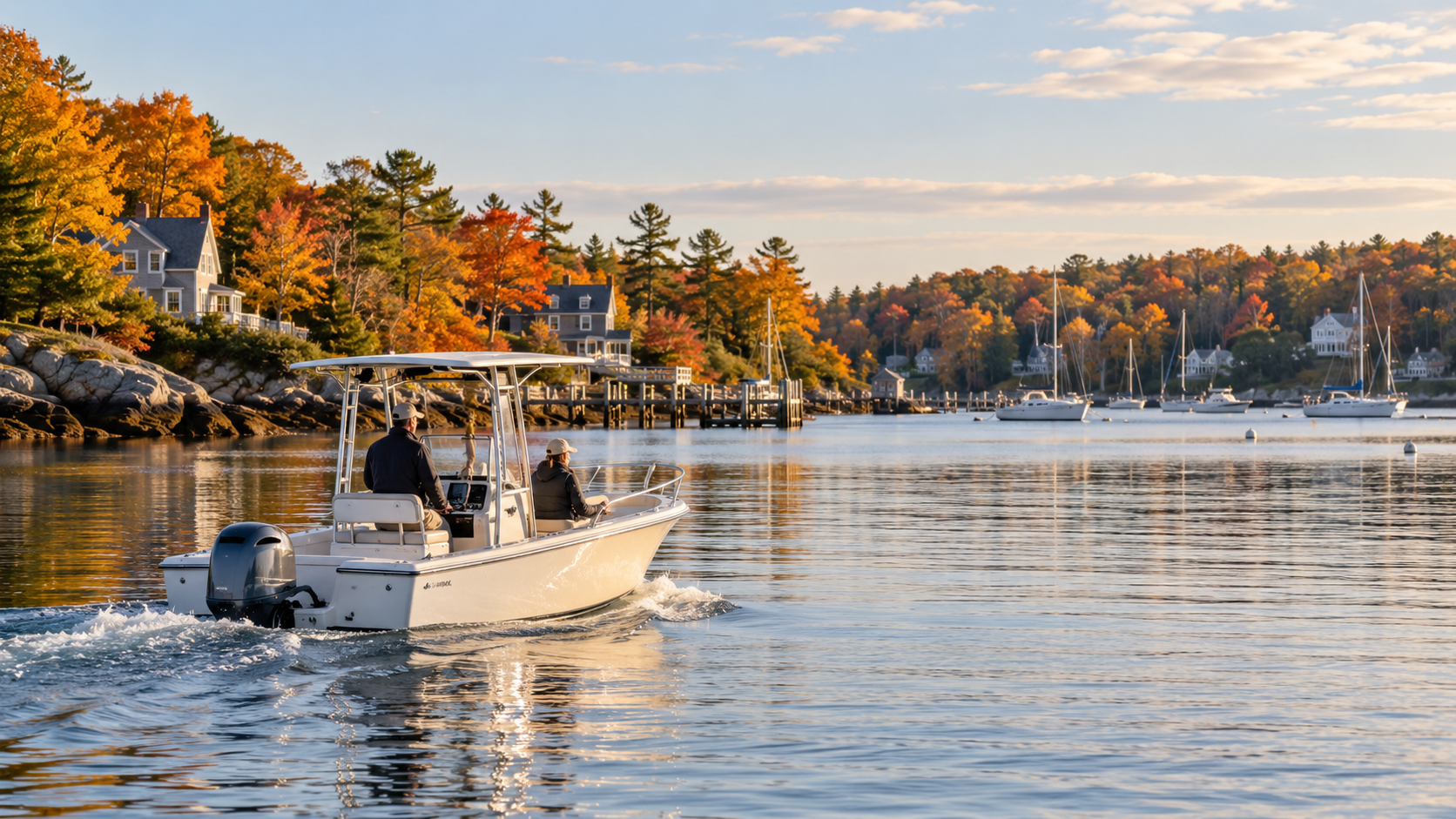
September and October often bring quieter harbors, easier access to ramps and docks, cooler temperatures, and a very different pace on the water. The crowds thin out, but the season does not suddenly disappear.
If anything, fall boating can feel more relaxed.
The Crowds Start to Disappear
One of the biggest advantages of boating after Labor Day is simple: fewer people.
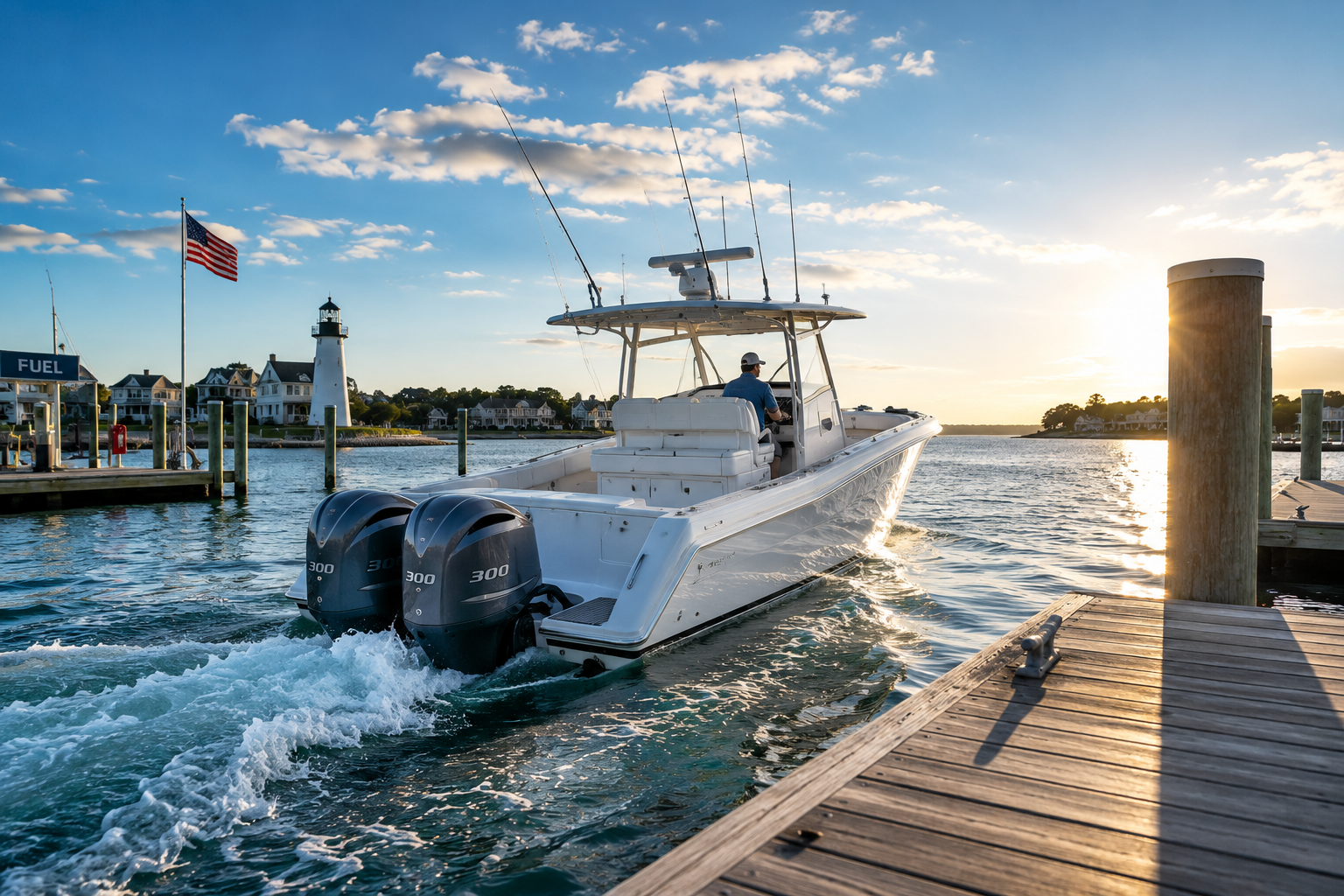
Popular ramps that were packed on summer weekends can become much easier to use. Fuel docks are less chaotic. Harbors that felt crowded in July and August begin to open up.
That can completely change the experience.
You spend less time waiting and more time actually boating.
For anyone who prefers exploring, cruising or fishing without fighting summer traffic, fall can be one of the most enjoyable times of the season.
The Water Can Still Be Very Comfortable
Air temperatures may start to cool before the water does.
That means a sunny September afternoon can still be an excellent day for boating even if it no longer feels like midsummer on shore.
Just remember that conditions can change quickly later in the season.
A warm afternoon does not necessarily mean warm water, and the National Weather Service specifically warns boaters not to judge cold-water risk based on air temperature alone. Sudden immersion can cause cold shock and rapid loss of physical ability.
So enjoy the warmer fall days—but prepare for the water temperature, not just the forecasted high.
Fall Fishing Can Be Excellent
For anglers, extending the season can be especially rewarding.
As water temperatures begin to change, baitfish and gamefish often shift their patterns, creating new opportunities that simply do not exist during the middle of summer.
That can mean excellent striped bass action in the Northeast, productive freshwater fishing, and fewer boats competing for the same water.
You also get the added benefit of cooler mornings and less intense midday heat.
The key is paying attention to changing conditions rather than fishing the exact same way you did in July.
Waterfront Destinations Feel Different
Some of the best-known boating destinations take on a completely different character in the fall.
Restaurants may be easier to get into. Transient dockage may be more available. Popular harbors can feel far less hectic.
Even a familiar destination can feel new when you are not surrounded by peak-season crowds.
This is a great time for a short cruise, an overnight trip or simply visiting a harbor you usually avoid during the busiest weeks of summer.
Dress for the Water, Not Just the Air
This is one of the most important adjustments for fall boating.
A sunny 65-degree afternoon can feel comfortable at the dock, but that does not tell you how cold the water is.
The National Weather Service recommends checking both weather and water temperature and dressing for the water conditions. Cold shock can happen very quickly after an unexpected fall overboard, even in water that does not seem extremely cold.
Layer your clothing, carry extra dry gear and keep rain protection aboard.
And wear your life jacket.
The U.S. Coast Guard recommends wearing a Coast Guard-approved life jacket whenever the boat is underway, not simply storing one somewhere aboard.
Daylight Disappears Faster Than You Think
One thing catches boaters off guard every fall: sunset keeps getting earlier.
A trip that gave you hours of daylight in July can suddenly leave you heading home in fading light.
Before leaving the dock, check sunset time and build in more margin than you normally would.
Make sure navigation lights work.
Keep flashlights aboard.
And if you are boating in an unfamiliar area, avoid waiting until dark to start finding your way home.
Fall boating is better when you are not racing the sunset.
Watch the Weather More Closely
Fall weather can shift quickly.
A comfortable morning can become windy, cool and unpleasant by late afternoon.
That does not mean you need to stay at the dock. It simply means weather deserves more attention.
Check the marine forecast before leaving.
Look at wind speed and direction, not just the chance of rain.
And if the forecast starts deteriorating, change the plan.
One of the advantages of fall boating is that there is less pressure to force a day on the water simply because it is the middle of summer.
Keep Boating—But Start Thinking Ahead
Extending the season does not mean ignoring winter preparation.
Use these final weeks to start thinking about what the boat will need when haul-out does arrive.
Make notes about:
- Maintenance that needs attention
- Electronics that need repair or upgrades
- Canvas or upholstery issues
- Engine service
- Bottom work
- Safety equipment that needs replacing
- Projects you want completed before spring
That way, winter maintenance becomes a plan instead of a surprise.
Some of the Best Days Are Still Ahead
Summer gets most of the attention, but some of the best days on the water arrive after Labor Day.
The ramps get quieter.
The harbors open up.
The weather cools down.
And the pace slows down.
There is plenty of boating season left.
You just have to boat a little differently.