
Buying a boat is exciting, but deciding whether to buy new or used can shape your ownership experience for years. The right choice depends on your budget, how you plan to use the boat, your comfort level with maintenance, and how much risk you are willing to take on before closing the deal.
For some buyers, a brand-new boat offers peace of mind, warranty protection, and the chance to get exactly the layout and features they want. For others, a well-kept used boat can deliver more value, lower upfront cost, and less depreciation. Before you buy, it helps to compare both options honestly and understand where each one makes the most sense.
Start With Your Budget
Your budget should guide the decision before emotion takes over. A new boat usually comes with a higher purchase price, higher insurance costs, and in many cases higher taxes and registration fees. You may also be tempted to add electronics, accessories, or upgraded power that push the final number even higher.
A used boat can often get you into a larger model or a better-equipped package for the same money. In many cases, the previous owner has already added practical upgrades like GPS units, canvas, safety gear, or a trailer. That can make a used boat feel like a better value on day one.
At the same time, lower purchase price does not always mean lower total cost. An older boat may need repairs, deferred maintenance, or replacement parts soon after purchase. Buyers should compare not just the sticker price, but the realistic first-year cost of ownership.
Consider Reliability and Warranty
One of the biggest advantages of buying new is predictability. A new boat has no mystery history, no hidden owner shortcuts, and often includes factory warranty coverage on the hull, engine, and major systems. That can reduce stress, especially for first-time buyers who want a smoother ownership experience.
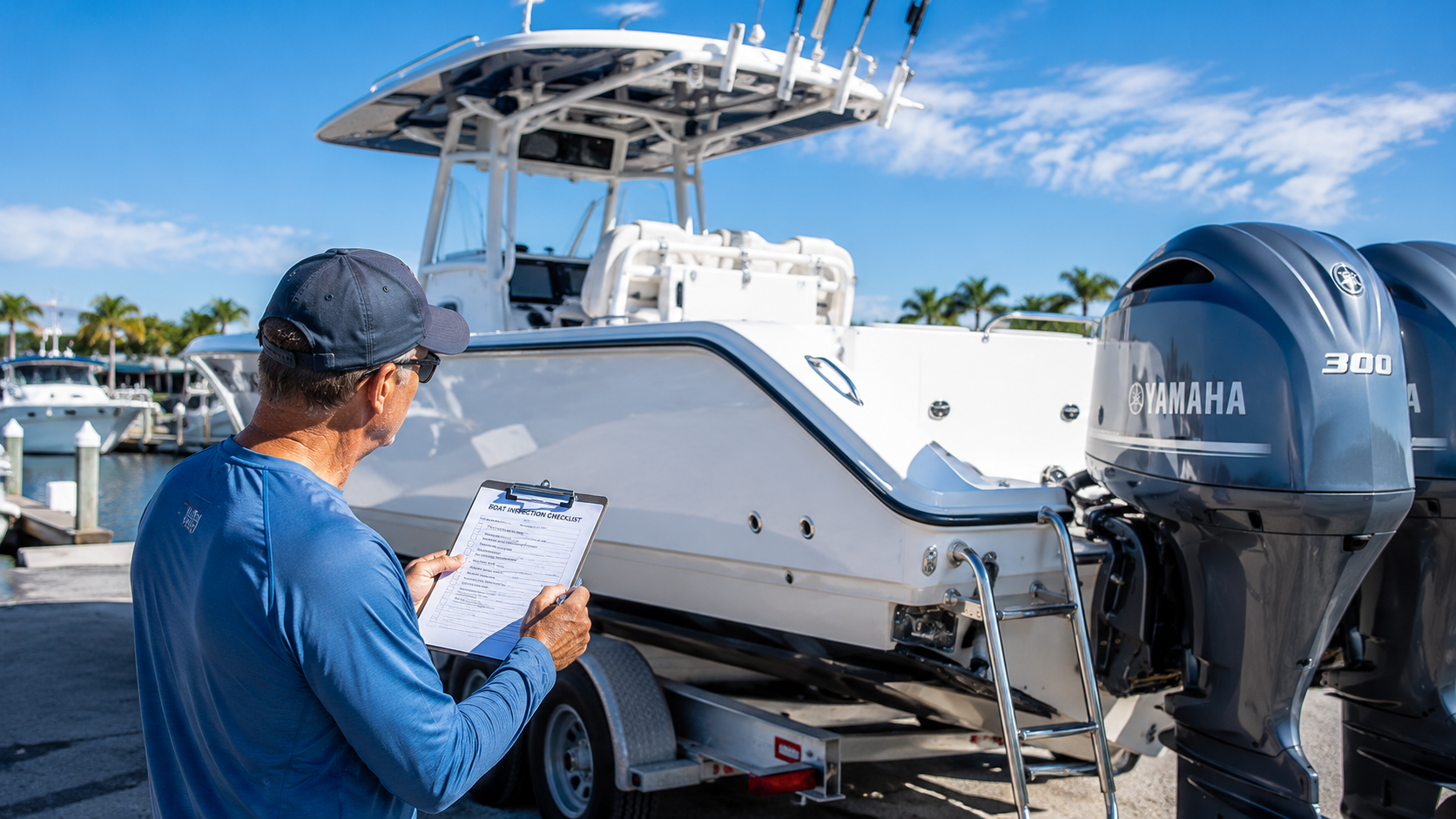
Used boats can still be excellent purchases, but reliability depends heavily on how the boat was stored, maintained, and operated. A clean appearance is not enough. Service records, engine hours, corrosion, wiring quality, trailer condition, and signs of water intrusion all matter. A used boat may save money upfront, but only if it passes inspection and sea trial with confidence.
Think About Depreciation
New boats generally take the biggest depreciation hit in the early years, just like new vehicles. If resale value is important to you, that first drop can be a major factor. Buyers who trade often or plan to upgrade in a few seasons should pay close attention to how quickly a new model may lose value.
Used boats have already gone through much of that early depreciation. If you buy carefully, maintain the boat well, and avoid overpaying, you may preserve more of your investment. That is one reason many experienced boaters prefer buying used, especially when they know what to look for.
Match the Boat to Your Experience Level
If this is your first boat, a used model may feel like a safer learning platform. You may discover that your boating habits change after the first season, and a lower-cost used boat can give you flexibility without the pressure of protecting a brand-new purchase.
On the other hand, some first-time buyers prefer new because it reduces the chance of surprise repairs and gives them dealer support during the learning curve. If you are not comfortable evaluating condition, systems, or engine health, a new boat may offer more confidence.
Experienced buyers often have an easier time shopping used because they know how to spot red flags, estimate repair costs, and judge whether a boat has been cared for properly. The more knowledge you bring to the process, the more attractive the used market becomes.
Look at Availability and Customization
A new boat gives you the chance to choose colors, layouts, electronics, seating options, and power packages that fit your needs. If you have a specific setup in mind, buying new may be the best path.
Used inventory is more limited. You may need to compromise on engine brand, seating layout, storage, or electronics. But if you find a well-maintained used boat that already matches most of your needs, you can often avoid long lead times and get on the water faster.
Do Not Skip the Inspection
No matter which direction you lean, due diligence matters. For a used boat, a professional marine survey and a proper sea trial are essential. They help uncover structural issues, engine concerns, electrical problems, and performance issues that may not be visible at the dock.
Even with a new boat, buyers should inspect the fit and finish, test systems, confirm included equipment, and review warranty details before taking delivery. Small issues are easier to address before the sale is complete than after the boat is in your driveway or slip.
How to Decide
A new boat may be the better choice if you want warranty protection, predictable ownership, current features, and the ability to customize. A used boat may be the smarter choice if you want more value for your money, lower depreciation, and are willing to inspect carefully before buying.
The best decision is the one that fits your budget, experience, and boating goals. Do not rush the process. Compare the real costs, inspect the boat thoroughly, and make sure the purchase works for how you actually plan to use it.
Final Takeaway
There is no universal right answer in the new-versus-used debate. A great new boat can still be the wrong financial fit, and a great used boat can become expensive if you skip the inspection. Smart buyers focus less on emotion and more on condition, ownership costs, and long-term fit.
If you take the time to evaluate both options carefully, you will be in a much better position to buy with confidence and avoid expensive surprises later.
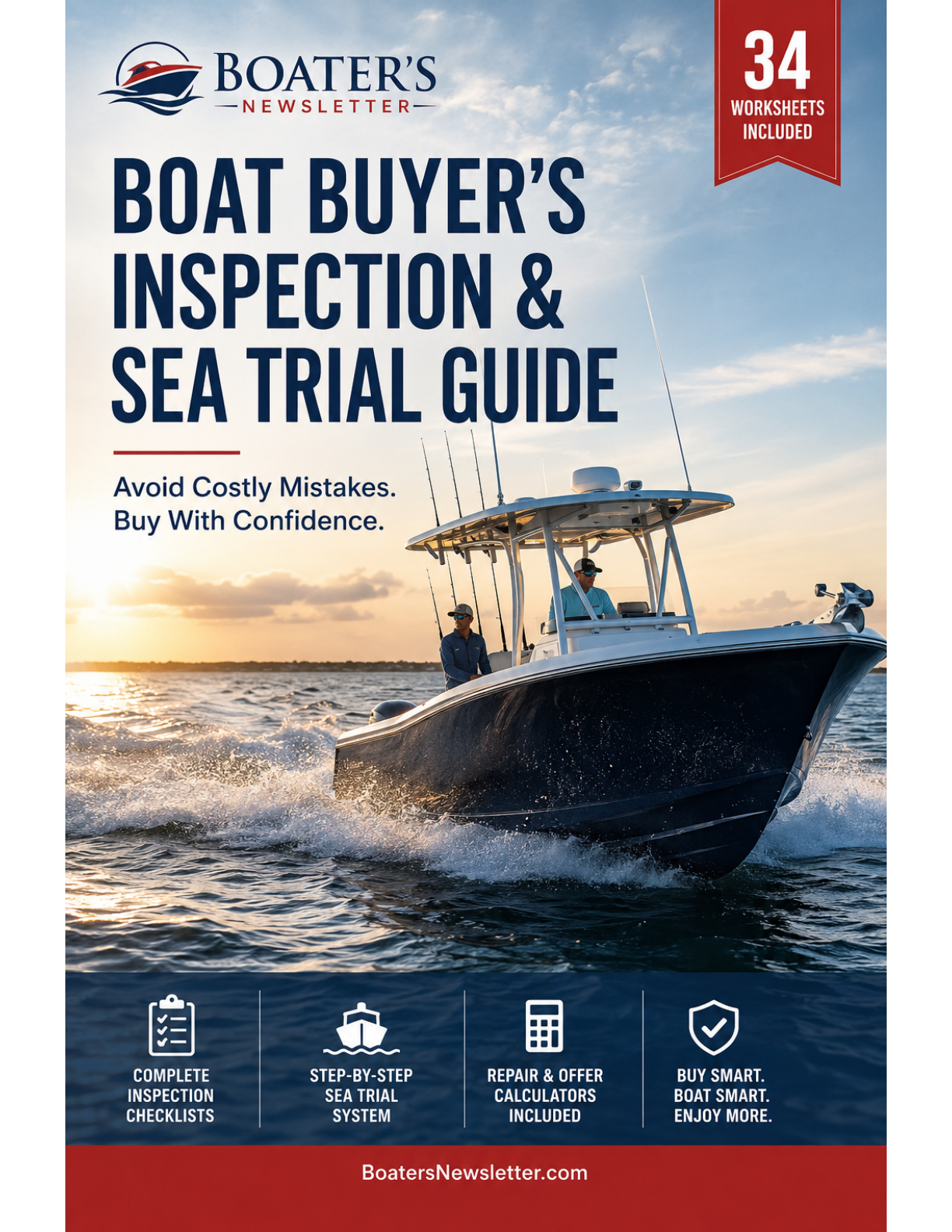
Boat Buyer’s Inspection & Sea Trial Guide
Before you commit to any boat, make sure you know what to inspect, what to test, and what questions to ask on the water.
- Walk through the most important pre-purchase inspection points
- Know what to watch for during a sea trial
- Spot red flags before they turn into expensive repairs
- Buy with more confidence whether the boat is new or used