
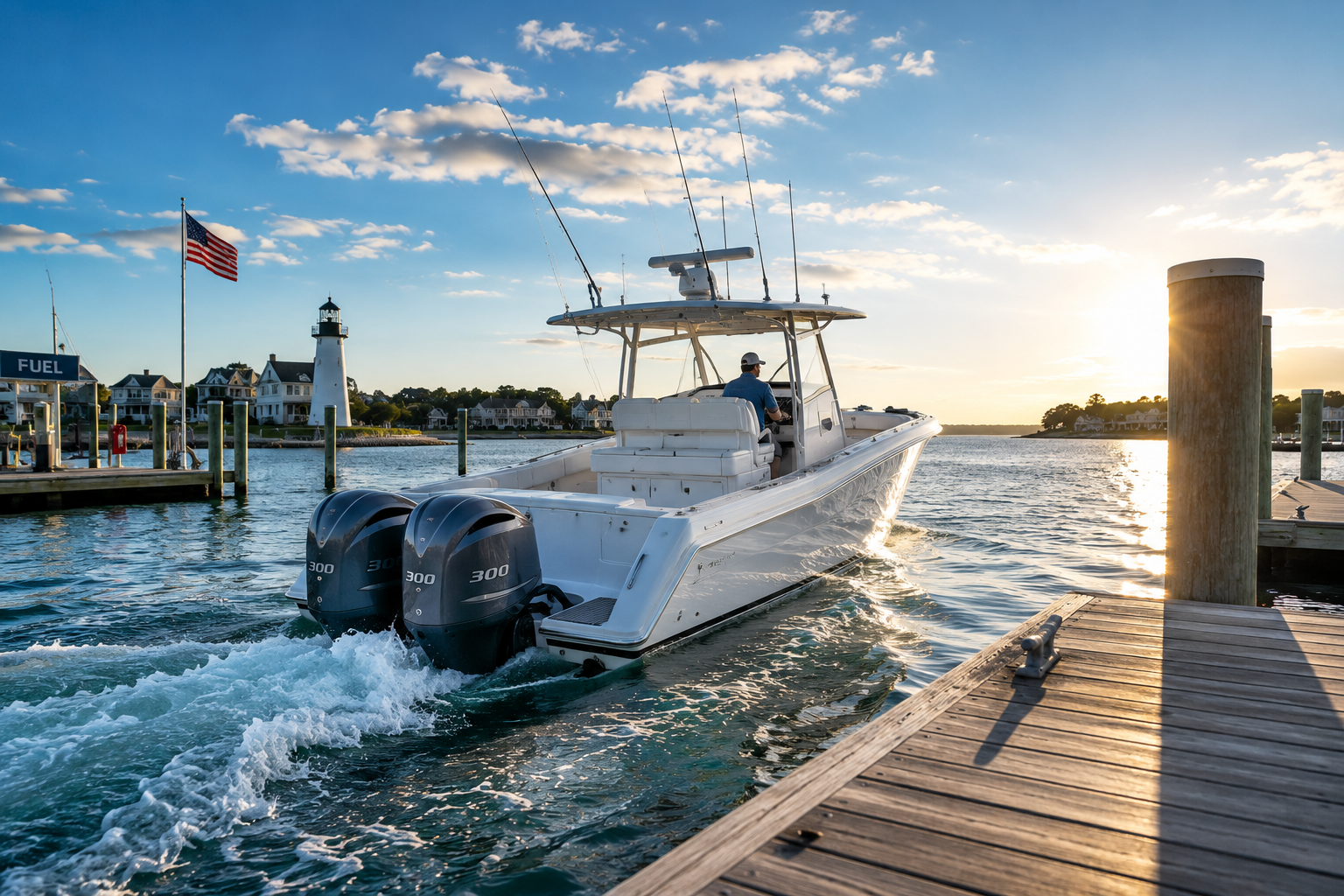
Everyone loves the moment when the lines come off the cleats, the engines rumble to life, and another day on the water begins. But ask any experienced captain what separates an enjoyable day from a stressful one, and you’ll hear the same answer: preparation.
The best boaters don’t rely on luck. They follow a routine.
Whether you’re heading offshore to chase tuna, cruising to your favorite waterfront restaurant, or simply taking the family for an afternoon ride, these ten habits can make every trip safer and more enjoyable.
1. Check the Weather—Again
Marine weather changes quickly, especially during the summer. A forecast you checked the night before may look very different the next morning.
Don’t just check for rain. Look at:
- Wind speed and direction
- Wave height
- Tide changes
- Thunderstorm potential
- Visibility
Remember, the forecast is a guide—not a guarantee.
2. Perform a Walk-Around Inspection
Before anyone steps aboard, take a slow walk around your boat.
Look for:
- Loose dock lines
- Low tires on the trailer
- Fuel or oil leaks
- Damaged props
- Loose batteries
- Water in the bilge
It only takes a few minutes and could save an entire weekend.
3. Check Your Fuel
The old boating rule still applies:
One-third out. One-third back. One-third in reserve.
Running out of fuel remains one of the leading reasons boaters request assistance every summer.
4. Test Your Safety Equipment
Ask yourself:
- Are the life jackets still onboard?
- Is the fire extinguisher charged?
- Does the horn work?
- Are flares expired?
- Is the VHF radio functioning?
These aren’t things you want to discover after an emergency begins.
5. Tell Someone Where You’re Going
Even if you’re only planning a short afternoon cruise, let someone know.
Share:
- Destination
- Departure time
- Expected return
- Number of people onboard
It’s one of the simplest—and smartest—things you can do.
6. Confirm the Drain Plug
It sounds funny until it happens.
Every year, boats are launched without the drain plug installed.
A quick glance before launch can prevent an embarrassing—and potentially costly—mistake.
7. Brief Your Crew
If you’re bringing family or friends, spend two minutes explaining:
- Where the life jackets are stored
- How to use the radio
- What to do if someone falls overboard
- Where the fire extinguisher is located
Prepared passengers become helpful crew members.
8. Secure Loose Gear
Coolers, tackle boxes, fishing rods, and bags have a way of sliding across the deck when the water gets rough.
Secure everything before leaving the dock.
It keeps your gear safe—and prevents injuries.
9. Start Slowly
The first few minutes underway are the perfect time to check that everything is working properly.
Watch your gauges.
Listen for unusual sounds.
Confirm water is flowing from the cooling system.
It’s much easier to return to the dock now than after you’ve traveled ten miles offshore.
10. Slow Down and Enjoy It
Boating isn’t about getting somewhere quickly.
It’s about spending time with family.
Watching a sunset.
Teaching your kids to fish.
Finding that quiet anchorage.
Making memories.
Sometimes the best part of the day is the journey itself.
Final Thoughts
Experienced boaters know that good habits become second nature.
By taking just a few extra minutes before leaving the dock, you’ll reduce the chances of mechanical problems, improve safety for everyone onboard, and spend more time enjoying what matters most—being out on the water.
Have your own pre-departure ritual? We’d love to hear it. Share your favorite tip with the Boaters Newsletter community.
The Boaters Newsletter Team
